The Customization Options Tumbler Suppliers Actually Offer — and the Lead Time Impact of Each
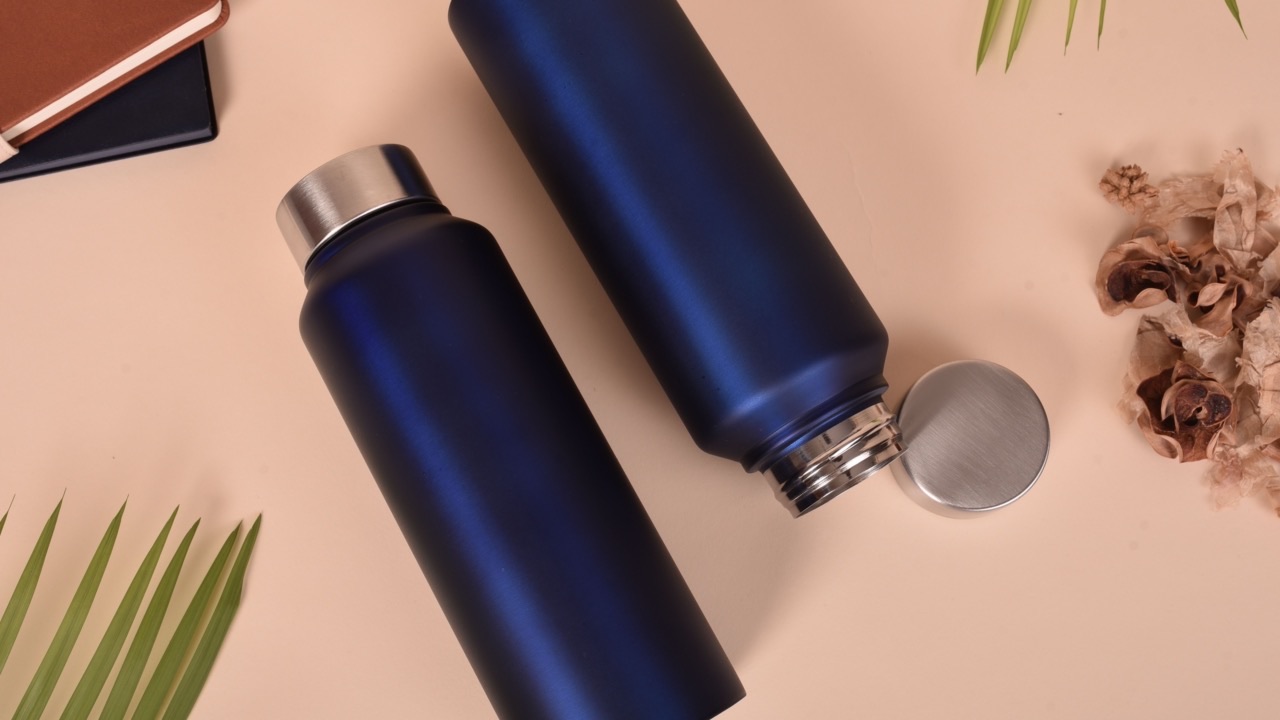
Tumbler customization is one of those areas where the supplier’s capabilities on paper and their capabilities in practice can diverge considerably. Most manufacturers list a range of options in their profiles — logo printing, custom colors, packaging, lid styles — without specifying which options require high minimum order quantities, which add two weeks to lead time, and which are only available on specific product lines. Understanding those distinctions before choosing a customization approach prevents the common situation where a project is already mid-stream when the constraints emerge.
Logo application methods: what each one is actually suited for
The three most common logo application methods for stainless steel tumblers are laser engraving, silkscreen printing, and UV printing. Each has a different cost structure, quality profile, and production timeline.
Laser engraving removes the surface coating or oxidizes the steel to create a permanent mark. The result is durable and can’t be scratched or rubbed off because the mark is in the material itself rather than applied on top. The limitations: laser engraving works best with high-contrast, relatively simple artwork. Fine lines below approximately 0.3mm line weight and very dense text get lost in the engraving process. Color isn’t possible with laser alone (some suppliers offer color fill after laser engraving, which adds cost and a step). Lead time for laser engraving is typically not a constraint — it’s done inline with production with no plate or setup time for most suppliers.
Silkscreen printing applies ink through a stencil. It’s capable of sharper, finer detail than laser engraving and can produce opaque colors that stand out on colored backgrounds. The constraint is that each color requires a separate stencil and a separate pass — a two-color logo requires two passes. Most suppliers have a per-color surcharge and a minimum order quantity that applies to silkscreen printing because of the setup involved in preparing the stencils. For small orders, silkscreen setup costs per unit can be significant; at larger quantities, the per-unit cost is low.
UV printing uses UV-cured inks applied directly to the surface. It can reproduce full-color artwork including gradients and photographs, which neither laser engraving nor standard silkscreen can match. The durability of UV printing varies by supplier — a properly cured UV ink on a prepared surface holds up well, but UV printing on a surface that wasn’t correctly pretreated can chip or peel under the mechanical stress of daily use. Ask specifically about adhesion testing before relying on UV printing for any design where durability matters.
Color customization: powder coat versus alternatives
Standard color customization on stainless steel tumblers uses powder coating — a dry powder applied electrostatically and cured in an oven. Powder coat produces a consistent matte or satin finish, is available in a large range of Pantone-matched colors, and when properly applied over prepared steel, holds up well under normal use.
The constraints: powder coat colors typically require a minimum order quantity because the production batch needs to be large enough to justify a dedicated color run. Most suppliers have a minimum of 500 to 1,000 units per color, though some will accommodate smaller quantities with a setup fee. Colors that aren’t in the supplier’s standard palette require custom powder mixing, which adds cost and one to two weeks of lead time for the custom powder to be manufactured and delivered.
Two-tone finishes — different colors on different parts of the tumbler — require masking during powder coat application and are more expensive and slower than single-color production. If two-tone is part of the brief, confirm the supplier’s capability and minimum order quantity for it explicitly rather than assuming.
Electroplating and vacuum metallization produce the metallic rose gold, gunmetal, and mirror finishes that have become common in premium drinkware. These are distinct processes from powder coating, and not every factory does both in-house. An outsourced plating step adds to lead time, and the quality of the outsourced finish is one more variable to verify in samples.
Lid customization: what changes and what doesn’t
Lid styles are often the last thing buyers think about and the most constrained option in practice. A supplier’s tooling investment in a particular lid mechanism limits what’s possible without custom tooling costs — the lid shell, hinge mechanism, and gasket are designed as a system, and substituting components from a different design doesn’t work without new tooling.
Most suppliers offer a standard range of lid styles — twist-off caps, push-button sliding lids, straw lids — with the customization limited to color and logo placement. Requesting a custom lid shape or mechanism that the supplier doesn’t already produce requires custom injection mold tooling, which costs $3,000 to $8,000 or more and takes six to ten weeks to produce and test.
For most branding projects, the practical customization range is choosing from the supplier’s existing lid options, adding a logo to the lid surface, and matching the lid color to the tumbler. Any change beyond that is likely to involve tooling costs and lead time that isn’t compatible with typical project schedules.
Packaging options and their timelines
Packaging is the most frequently underestimated lead time driver in tumbler customization. A custom printed box requires artwork, a printing plate or digital file setup, a production run at the box manufacturer, and delivery to the tumbler factory — and all of this happens before the tumbler itself is packed.
The practical lead time for custom packaging from most suppliers is three to five weeks from approved artwork, assuming no revision cycles. If the packaging artwork requires approval from a retail buyer or a brand standards review, that review time sits on top of the production time.
Standard polybag packaging with no printing is available without lead time constraints. A custom label applied to standard packaging is a middle option — it allows customization without the full custom box timeline, though the effect is less premium.
What the total lead time actually looks like
When buyers ask a supplier “what’s your lead time,” they usually hear the production lead time for the tumbler itself — typically fifteen to twenty-five days for a standard order. What they often don’t hear is that the total lead time from artwork approval to delivery includes the approval process, any custom color mixing, packaging production, final quality inspection, and shipping.
For a fully customized order — custom powder coat color, silkscreen logo, custom packaging — the actual lead time from final artwork approval to goods-on-ship is typically five to seven weeks. Buyers who plan for three weeks based on the tumbler production time get compressed and rush requests result in quality shortcuts.
Working through customization options with a tumbler supplier at the project planning stage — before artwork is finalized and before timelines are committed to clients — is the most reliable way to align expectations on what’s actually achievable and on what schedule. The supplier’s capabilities are fixed; the timeline is the variable that needs to be built around them.