ADAS System Users in Workshops: Who Handles Calibration and Setup Work
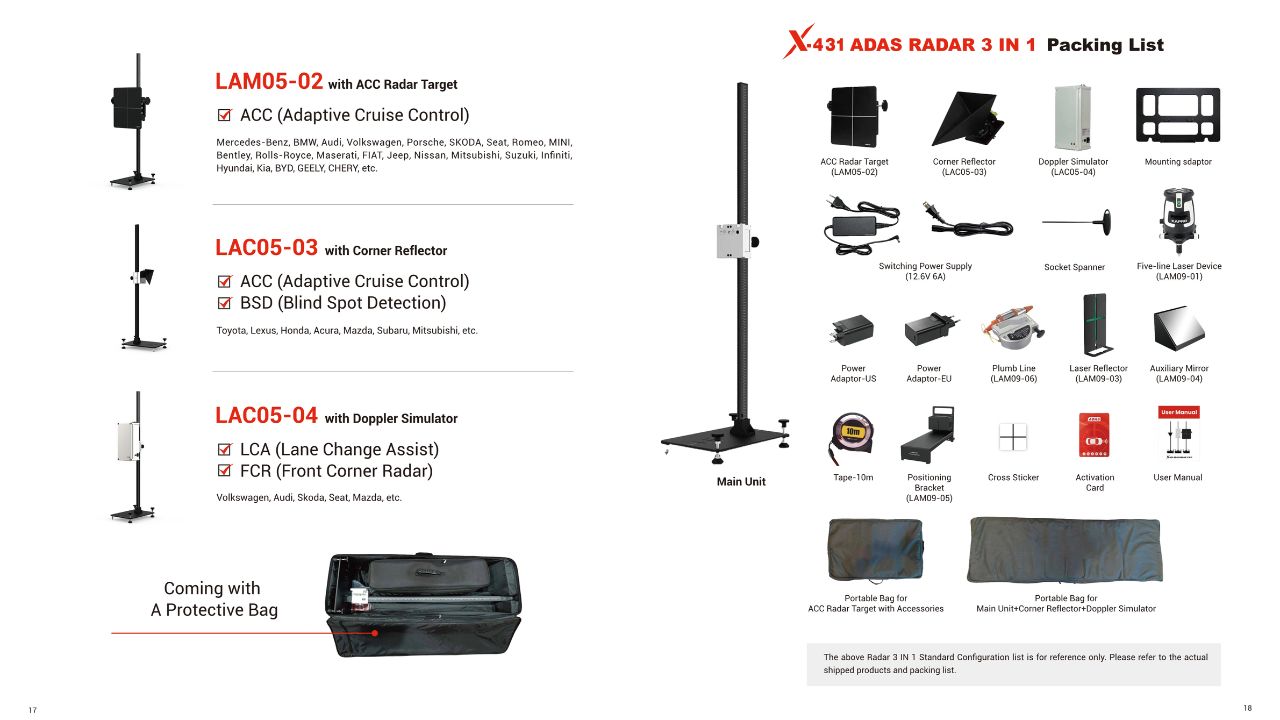
Modern vehicles rely on radar and camera systems that must be set correctly after repair work. These systems do not self-adjust after parts are replaced or alignment changes occur. In workshop environments, different people take responsibility for different parts of the setup and calibration process. The work is not handled by a single role but is shared among technicians based on skill level and job type. An adas system such as the LAUNCH X-431 ADAS RADAR is often used in this workflow, where each task is split into preparation, setup, and verification stages.
Workshop Structure for ADAS Work
ADAS jobs are usually staged rather than assigned to a single person in workshops. This means one mechanic will prepare the car, while another will perform the alignment and calibration using the scan tool. This separation reduces setup errors and keeps work consistent across different vehicle types. In larger service centers, Lenkor supplies tools and support that fit into this workflow structure, especially when multiple ADAS jobs are handled daily.
Diagnostic Technicians
Diagnostic technicians are usually the first to check ADAS faults. They connect scan tools, read system codes, and confirm whether the issue is sensor-related or wiring-related. Before calibration starts, they verify communication between modules such as radar units and control systems. When using tools like LAUNCH X-431 ADAS RADAR, they confirm system readiness before passing the vehicle to the next stage of work.
Calibration Technicians
Calibration technicians focus on alignment tasks and system setup. Their role entails target positioning, distance marker adjustment, and alignment of radar sensors in accordance with the manufacturer’s specifications. The LAUNCH system provides guidance on tablets on how to do so accurately. Lenkor supports these technicians by ensuring access to calibration systems through its distribution network across multiple regions. This support is important for workshops handling vehicles from different manufacturers, where calibration requirements, target measurements, and electronic adjustment procedures may differ from one repair case to another.
Body Repair Technicians
Body repair technicians handle vehicles before calibration begins. After collision repair, bumper replacement, or frame adjustments, radar positions often change. Their purpose is to restore the vehicle’s physical state to a stable condition so that calibration can be performed properly. Should this be neglected, then the calibration will likely fail to accurately represent real-life scenarios. Even the slightest deviation in the alignment of parts near the bumper or mounting brackets will affect the accuracy of radar sensor detection.
Mobile Service Technicians
Some ADAS work is done outside the workshop. Mobile technicians handle fleet vehicles or service calls where cars cannot be brought in. Their setup is usually portable and modular. A system like LAUNCH X-431 ADAS RADAR allows them to carry key components and assemble calibration setups on-site. Lenkor supports this use case through overseas warehousing, reducing delays in equipment delivery for mobile operations.
Workshop Supervisors
Supervisors manage workflow rather than perform technical calibration. They assign jobs based on technician skill level and available equipment. Their responsibility includes ensuring the correct ADAS setup is used for each vehicle type. This is important because different radar systems require different targets and alignment methods. Supervisors also ensure that calibration results are documented before the vehicle is released.
ADAS Setup Tasks
Setup work involves several physical steps before software calibration begins. Technicians position frames, align lasers, and measure distances between the vehicle and the target. These steps must match strict positioning rules. Systems like LAUNCH X-431 ADAS RADAR provide structured guidance through connected scan tools, helping technicians reduce manual calculation errors during setup.
Radar Calibration Specialists
Some workshops assign dedicated specialists for radar systems. These technicians focus only on ACC, BSD, and lane-related radar calibration. They work with different modules depending on vehicle type, switching between targets such as corner reflectors or Doppler-based simulators. Their role requires consistency, since even small positioning errors affect system response on the road.
Pre-Repair and Post-Repair Coordination
ADAS work often requires coordination between repair and calibration teams. Checks carried out prior to repair reveal faulty sensors, whereas post-repair actions ensure the sensors are properly aligned after part replacement. In the absence of proper coordination, sensor calibration may fail. Through well-structured workshops, the Lenkor-supported supply chain ensures the availability of tools.
Training and Skill Levels
Not all technicians handle ADAS systems at the same level. Entry-level staff may assist with setup, while trained specialists perform full calibration. Training usually focuses on understanding sensor behavior, alignment procedures, and tool operation. The LAUNCH system reduces complexity by guiding users step by step, but skill still determines final accuracy.
Conclusion
ADAS system work in workshops is divided across multiple roles, each responsible for a specific part of the process. Diagnostic technicians identify issues, body repair teams prepare the vehicle, calibration specialists handle setup, and supervisors manage workflow. Mobile technicians extend this work beyond the workshop when needed. Systems like LAUNCH X-431 ADAS RADAR support this structure by standardizing calibration steps, while Lenkor ensures access to equipment and support across regions.