Press Brake Tooling Guide for Beginners: Types, Functions, and Selection Tips
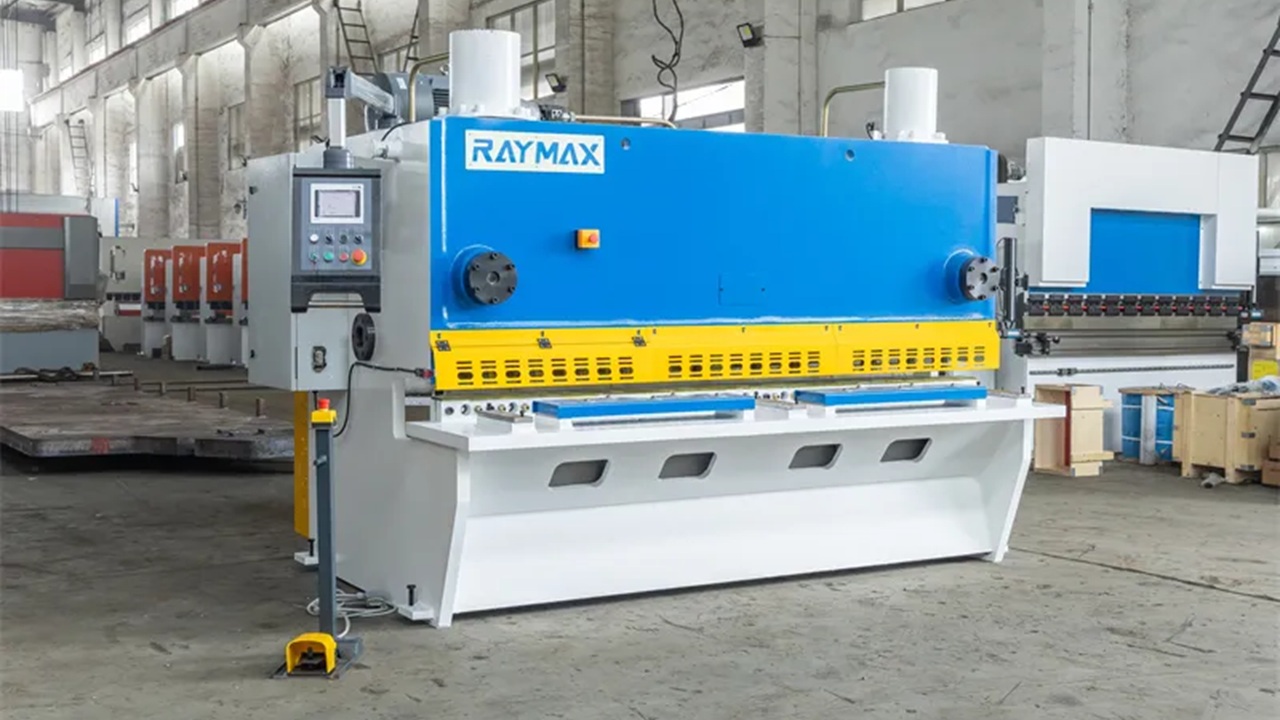
Press brake tooling is a major component in sheet metal bending. Although the machine provides power and motion, tooling determines the outcome. Novices focus on the press brake but overlook the role of tooling in accuracy, surface quality, and repeatability. Choosing the right tooling prevents common bending problems. Manufacturers such as Raymax provide standard and segmented tooling options that help users match tools with different production needs. This Press Brake Tooling Guide can help beginners make the right choice.
What Press Brake Tooling Is
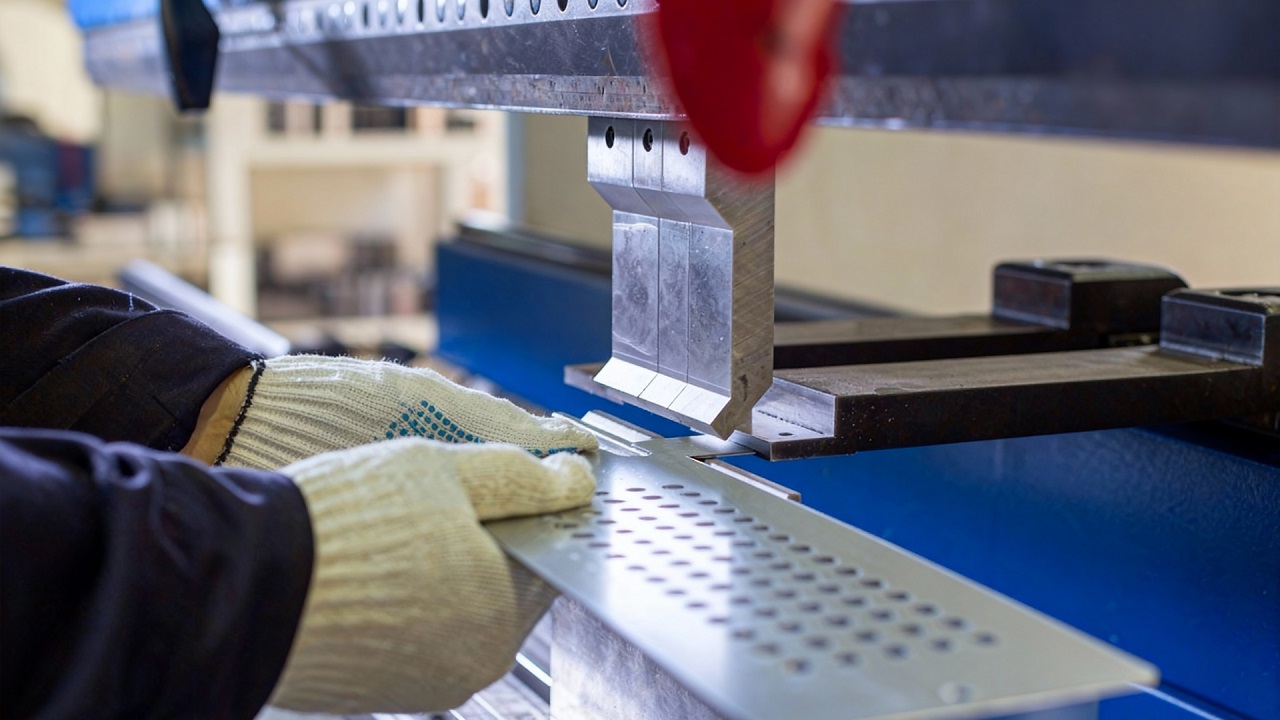
The press brake tooling consists mainly of the upper punch and the lower die, which shape the metal by compressing it with the upper punch and pressing it with the lower die. These components are shaped and sized to dictate how the material bends. A good machine will not work properly unless properly tooled to give consistent results.
Common Types of Punches
Punches come in different shapes depending on the bending task. Standard punches are used for simple bends and general work. Gooseneck punches feature a curved profile to provide clearance when bending box-shaped parts. Narrow punches are also available to help in tight spots. The types serve a specific purpose, so selecting the appropriate one will help prevent interference during bending.
Types of Dies
Lower dies are usually classified by their opening shape. The most common type is the V-die, which is used in many bending operations. There are also double V-dies that offer two openings for flexibility. For special tasks, U-shaped or flattening dies may be used. The width of the die opening plays a major role in determining the bend angle and the required force.
Role of Tooling in Bending
The tooling directly affects the ability to shape and the quality of the bend. The punch determines the point of contact, and the die determines the direction of material flow during bending. When the tooling is not fitted, the outcome may be uneven angles or surface marks. A consistent tooling environment can produce consistent output across a variety of parts. Raymax systems usually incorporate tooling that is shaped to fit tightly and maintain alignment during repeated use.
Choosing the Right Tooling
The tooling selection process begins with the knowledge of the material and thickness. Materials bend differently: softer materials need less force, harder materials require more. The thickness should match the die opening to prevent overloading. Proper selection helps achieve the desired angle without causing damage.
Clearance and Part Shape
When bending complex parts, clearance becomes important. Some shapes may collide with the punch during bending if there is not enough space. To prevent this, gooseneck punches or similar designs are used. Verifying the part design before choosing tooling will help avoid mistakes in production. This step is something beginners often fail to consider, yet it is essential to proper functioning.
Surface Protection
In most situations, the material’s surface finish needs to be maintained. Scratches or marks might influence the final look. Tooling with a smooth contact surface or that protects them can be used to minimize such problems. In other designs, additional layers or coatings are added to the material to shield it during bending. Raymax tooling solutions may include options that reduce surface contact and help maintain clean edges.
Tooling Compatibility
The tooling should be suitable for the press brake’s clamping system. Standards are various, and not all tooling fits all machines. Novices ought to check compatibility before buying. This may cause the tooling to be unstable or have difficulty installing. This can be made easier by manufacturers such as Raymax, which offer tooling designed to fit popular interface systems.
Importance of Alignment
The tooling must be properly aligned for correct bends; misalignment can cause angle variation. Regular checks and adjustments ensure proper alignment. A fixed configuration minimizes variability and enhances repeatability with a fixed production run.
Maintenance of Tooling
To serve effectively in the long run, tooling needs to be properly maintained. Dirt, oil or tiny debris may affect the material’s position in the die. Properly lubricating and preserving the tooling can also help prevent wear and damage. Edges are to be examined, and, when necessary, worn-out tools are to be replaced. Raymax also offers tooling designed to be durable, ensuring long-term performance.
Avoiding Common Mistakes
The novice is likely to commit simple errors in choosing tooling. A frequent problem is selecting a die opening which is smaller than the material thickness. The other is a lack of compliance with the clearance requirements for complex shapes. Such errors may cause bad performance or even destruction of the tooling. To avoid these problems, it is advantageous to take time and establish the job requirements.
Conclusion
Press brake tooling ensures accurate, consistent bends. Knowing basic punch and die types helps novices make better decisions. It is important to select, align, and properly maintain to achieve better results. By using the proper method and appropriate tooling, including vendor-provided tools like Raymax, operators can be confident in performing a wide variety of bending operations.